DIY Hand Embroidery Pattern
The First Impression: A Whimsical Touch
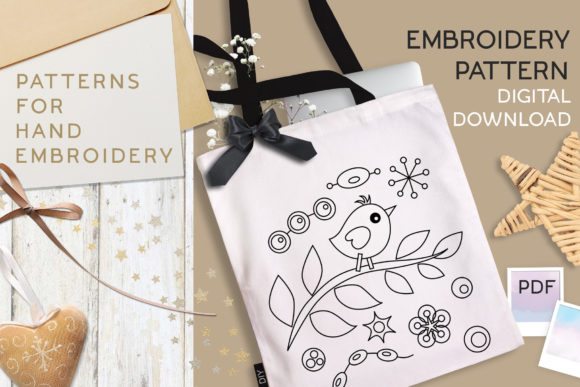
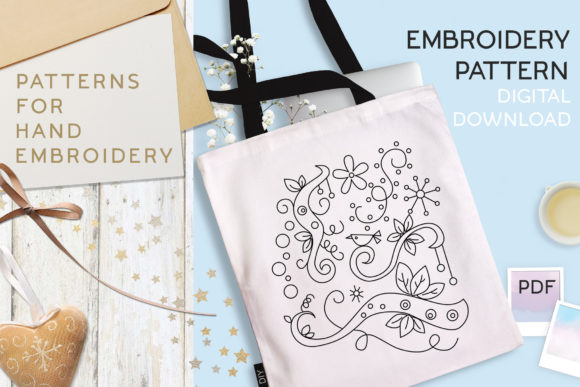
The DIY Hand Embroidery Pattern immediately catches the eye with its playful and modern aesthetic. The bird and branches design brings a sense of lightness and charm, making it feel like a perfect addition to any handmade project. Its whimsical nature suggests it’s not just for traditional embroidery but also for contemporary crafters looking to add a unique flair.
Design Personality and Project Fit
This pattern feels like it was designed for those who appreciate both simplicity and creativity. The layout is clean, allowing the bird and branches to stand out without overwhelming the fabric. It's ideal for items that need a subtle yet meaningful embellishment—think tote bags, pillow covers, or even baby clothes. The design doesn’t demand too much attention, which makes it versatile for both personal use and small business applications.
For a custom apparel project, such as a sweatshirt embroidery, this pattern could add a touch of personality without being too busy. It works well on larger surfaces where details can be spread out. However, it might not be the best fit for very small hoop sizes or intricate detailing, where the design could become too dense or lose clarity.
Real-Life Use Cases and Practical Considerations
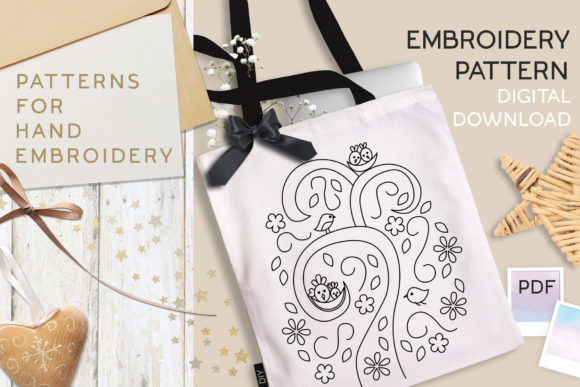
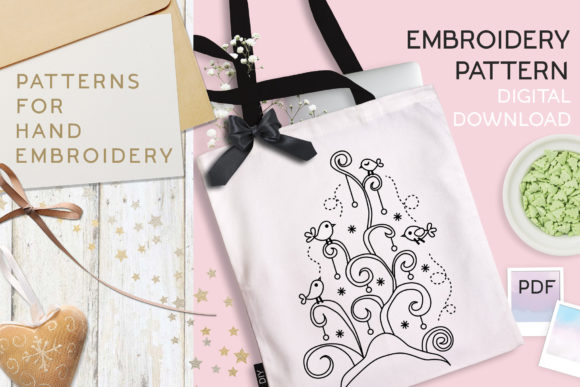
When I imagine using the DIY Hand Embroidery Pattern on a tote bag design, it looks great. The bird and branches sit nicely on the canvas, offering a decorative element that complements the bag’s function. But when considering small hoop sizes, the design might get crowded, especially if the fabric is textured or has a rough surface. In such cases, the stitch density could become uneven, affecting the overall appearance.
Testing the pattern on thin or stretchy fabric is crucial. These materials can cause the stitches to distort, especially in areas with dense stitching. For dark fabric backgrounds, the thread colors must contrast enough to maintain visibility. If the design uses pastel threads, they may blend into darker fabrics, reducing visual impact.
Another important factor is stabilizer. Using the right type of stabilizer can prevent puckering and ensure the design remains crisp. For curved surfaces like caps or hats, the pattern needs to be flexible enough to adapt without losing its shape. This is something to consider before committing to a commercial embroidery project.
Design Clarity and Visual Appeal
The DIY Hand Embroidery Pattern is clear in its structure, with defined shapes and minimal clutter. This makes it easy to follow for both beginners and experienced embroiderers. The running stitch and satin stitch techniques used in the design contribute to a smooth and professional finish. However, the level of detail should be reviewed carefully, especially if the pattern includes tiny lettering or intricate corners.
Visual appeal is enhanced by the balance between negative and positive space. The design doesn’t overpower the fabric, which is essential for personalized gifts and handmade products. When applied to a pillow cover or kitchen towel, the pattern adds character without being distracting. It’s also suitable for holiday embroidery, where a festive yet understated look is often preferred.
Commercial Use and Brand Consistency
If you're an Etsy seller or running a craft business, the DIY Hand Embroidery Pattern can be a valuable asset. It offers a consistent design that can be used across multiple products, helping to build brand recognition. However, it's important to check the licensing terms before selling finished items or digital embroidery files. Ensuring proper rights will protect your business and maintain customer trust.
For commercial embroidery projects, the pattern should be tested on various fabric types and in different lighting conditions. A printable mockup can help visualize how the design will look on different products. This is especially useful when creating digital embroidery files for clients or for use in design assets.
Practical Designer Notes
Before using the DIY Hand Embroidery Pattern, always test it on scrap fabric. This helps identify any potential issues with stitch density, thread color contrast, or fabric compatibility. Checking the design in black and white can also reveal hidden flaws or inconsistencies.
Reviewing the hoop size is another key step. A design that fits well on a standard hoop may not work on a smaller one, leading to distorted results. For applique designs or embroidered patches, ensuring the pattern scales correctly is essential.
Finally, consider the thread colors and how they interact with the fabric texture. A handmade product benefits from a harmonious color palette that enhances the overall look. Whether you're creating a custom apparel item or a personalized gift, attention to detail will make all the difference.